Get Healthy!
- Posted December 3, 2025
Body Shaming, Outdated Ideals Increase Injury Risk Among Female Athletes, Olympics Committee Says
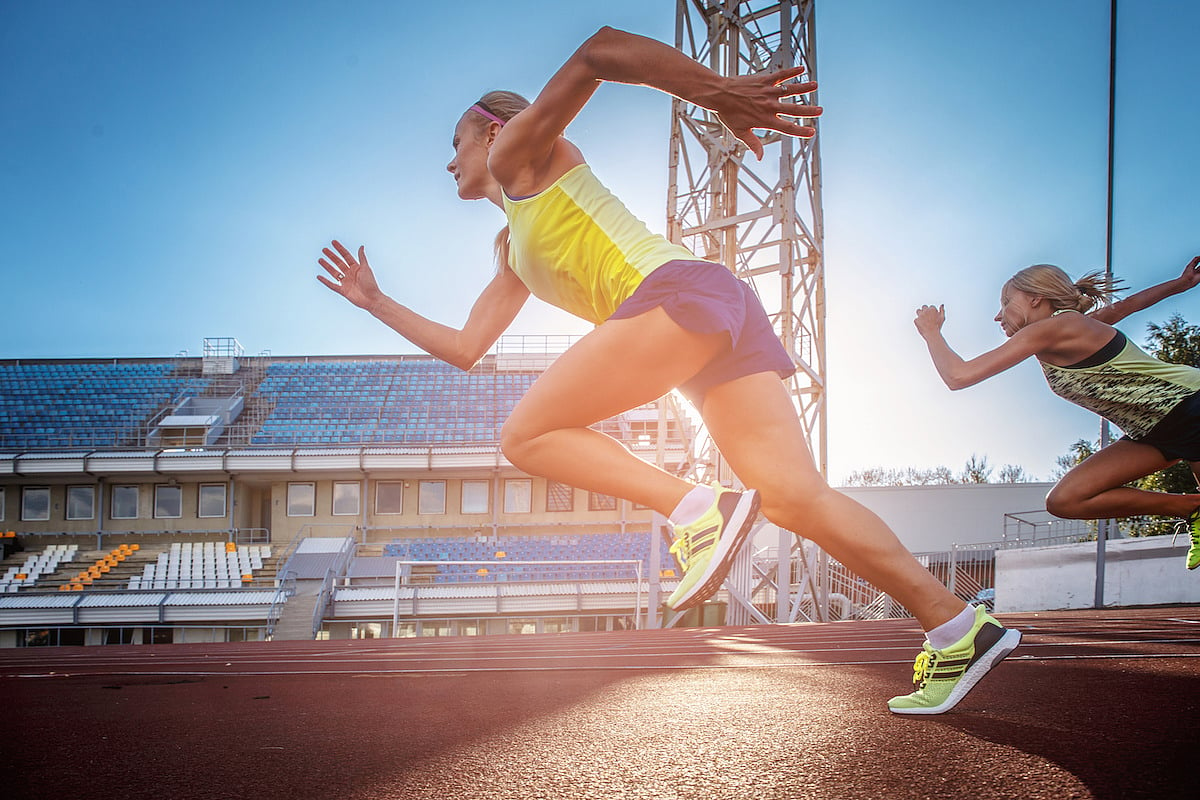
Sports injuries among female athletes can be reduced by creating a safe, supportive environment for training and competition, an International Olympic Committee (IOC) panel has concluded.
Among many other physical safety recommendations, an environment free of body shaming, idealized body types and notions of how women “should” behave is key to reducing future risk of injury for female athletes, according to an IOC consensus statement published in the British Journal of Sports Medicine.
The first-of-its-kind statement, called the Female, woman and/or girl Athlete Injury pRevention (FAIR) practical recommendations, aims to tackle gaps in knowledge, injury prevention and inclusion among female athletes.
“Recommendations such as ‘Create safe spaces free from body shaming or promoting ideal body types, or gendered norms’ might appear sensible, but they are NOT always part of female/woman/athletes’ reality,” concluded the panel led by Kay Crossley, director of the La Trobe University Sport and Exercise Medicine Research Center in Melbourne, Australia.
“They should be front-of-mind and non-negotiable,” the panel continued. “At all levels of sport, responsibility must be taken for actions that can influence female/woman/girl athlete health.
Women and girls have been increasingly taking part in sports, and that’s led to an increase in their risk for injury, the IOC panel said.
To counter this, more than 100 sports and exercise experts from around the world worked together to come up with a set of injury prevention strategies for female athletes.
The team reviewed more than 600 previous research articles involving more than 600,000 participants. They also consulted with current athletes.
Their efforts resulted in a set of 56 specific recommendations “developed to be implementable by female/woman/girl athletes and sport partners (also known as Entourage -- including coaches, parents/carers, health and exercise practitioners, sport science/high-performance professionals, sport administrators and researchers) involved in their health and safety,” the panel wrote.
Many of the recommendations reflect policies already in place for male athletes, the panel noted.
“For example, we recommended implementing a policy disallowing body checking in child and adolescent ice hockey, Para ice hockey and ringette games, and unlawful body and/or head contact to prevent all injuries,” the report says.
Similar recommendations also include mandatory warm-ups of at least 10 minutes, concussion prevention and use of protective equipment like mouthguards, helmets and neckguards.
However, many are specific to female athletes, including:
Creating safe spaces to address gender-based harassment and abuse
Consideration of female-specific health issues like menstruation, pregnancy, bone health and breast care
Increased awareness of and policies against social and cultural biases that might affect women and girls’ participation in sports
“We recognize that these recommendations must be responsive to diverse contexts, including uniqueness in experiences, expertise, geography, culture, healthcare access, sport structure, level of participation and sociocultural considerations,” the statement says.
The team called for more research involving female athletes, to provide better data on the different injury risks they might face.
More information
Johns Hopkins Medicine has more on preventing injuries among female athletes.
SOURCES: BMJ, news release, Dec. 2, 2025; British Journal of Sports Medicine, Dec. 2, 2025


